Why Outdoor Trips and Sports Culture Are Becoming Shared Pop Culture Experiences

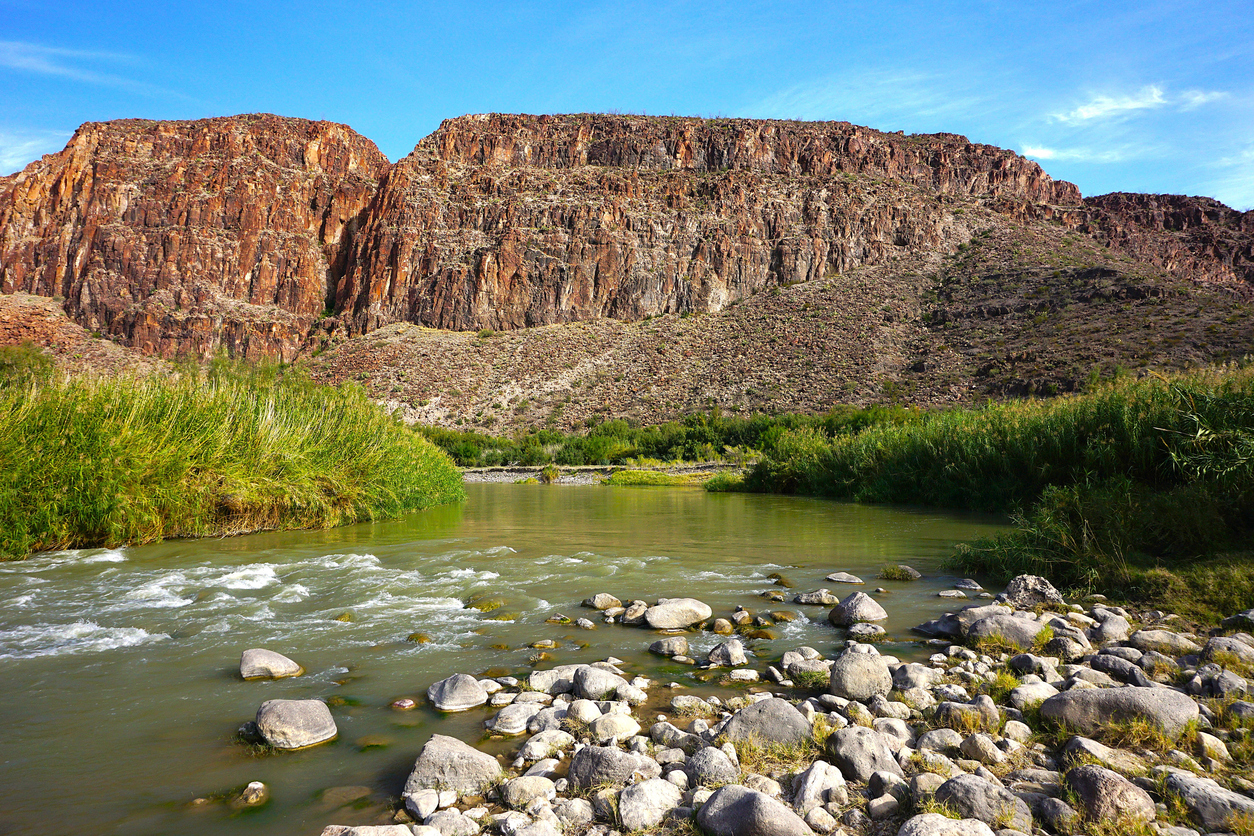
Sports and outdoor adventures are no longer viewed as hobbies reserved for athletes or dedicated enthusiasts. Today, a marathon in another country, a hike through a famous national park, or a weekend surf camp can become just as memorable as visiting a famous museum or attending a major concert. Social media, streaming platforms, and global sporting events have transformed these experiences into cultural moments that inspire millions of people to travel, participate, and share their own stories. This shift reflects a broader change in pop culture. Instead of simply watching athletes compete from home, people increasingly want to experience the places, traditions, and communities surrounding their favorite sports. Whether inspired by documentaries, viral videos, or unforgettable championship moments, more travelers are building trips around activities that combine adventure, entertainment, and local culture.
Why Sports and Outdoor Culture Went Mainstream
Sports and outdoor recreation have become much more than forms of exercise. Over the past two decades, they have evolved into cultural experiences that influence travel, fashion, entertainment, and social media. Events that were once followed mainly by dedicated fans now attract global audiences, while outdoor adventures like hiking, trail running, surfing, and cycling have become aspirational activities shared across countless digital platforms. Several factors have contributed to this transformation. International sporting events reach billions of viewers through television and streaming services, while social media allows athletes and everyday travelers alike to document their experiences in real time. Instead of seeing only professional competition, audiences also watch training sessions, behind-the-scenes moments, scenic adventures, and personal achievements that make sports feel more approachable and relatable. Participation has become part of the appeal as well. Many travelers now plan vacations around marathons, cycling tours, ski resorts, or famous hiking trails because these experiences offer both recreation and cultural discovery. Rather than separating sightseeing from sports, modern travelers increasingly combine the two, turning active experiences into meaningful ways to explore new destinations.

How Movies, TV, and Streaming Made Sports Travel More Popular
Popular films, documentaries, and streaming series have played a major role in turning sports destinations into bucket-list travel experiences. Productions like Drive to Survive introduced millions of viewers to the excitement of Formula 1, inspiring many fans to attend races in cities such as Monaco, Singapore, and Austin. Likewise, Welcome to Wrexham encouraged audiences to connect with Welsh football culture while showcasing the town itself as a destination worth visiting. Outdoor documentaries have created similar effects. Films featuring mountaineering, surfing, climbing, and long-distance hiking encourage viewers to imagine themselves tackling those same adventures. Streaming platforms have made these stories accessible to global audiences, transforming once-remote locations into recognizable destinations for travelers seeking authentic outdoor experiences. This connection between entertainment and tourism demonstrates how powerful storytelling can be. A compelling documentary or television series does more than showcase athletic achievement—it introduces local communities, landscapes, and traditions that viewers often want to experience for themselves. As a result, sports travel has become another way fans connect with the stories they first discovered on screen.
What Makes a Major Sporting Event Worth Traveling For?
Major sporting events offer something that television broadcasts simply cannot replicate. Watching a championship match or international competition in person allows visitors to experience the atmosphere, excitement, and emotion alongside thousands of other fans. The sounds of the crowd, the traditions of local supporters, and the energy inside legendary venues create lasting memories that extend far beyond the final score. Historic events also provide opportunities to explore the host destination itself. Travelers attending the Olympics may spend time visiting museums and neighborhoods between competitions, while Formula 1 weekends often introduce visitors to the food, architecture, and culture of the cities hosting each race. Sporting events naturally encourage people to experience far more than the venue alone. Many iconic locations have become destinations because of the history they represent. Stadiums like Wembley, Fenway Park, Camp Nou, and Centre Court at Wimbledon attract visitors throughout the year, even when competitions are not taking place. Their significance comes not only from memorable victories but also from the countless stories, traditions, and cultural moments that continue inspiring sports fans around the world.
How Surfing, Hiking, and Cycling Change How You Experience a Destination
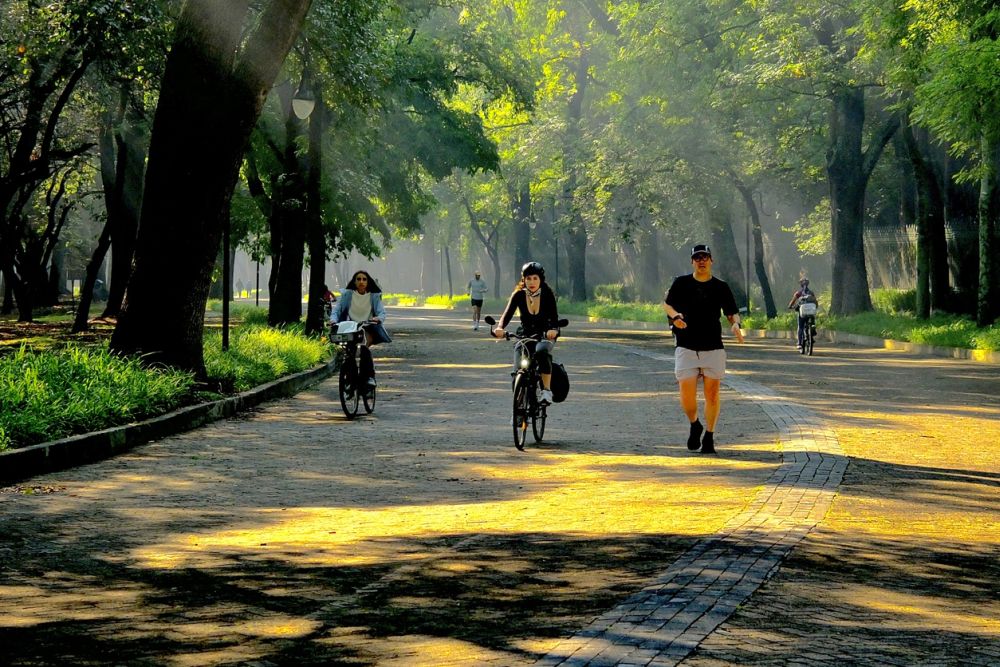
Outdoor activities reveal parts of a destination that traditional sightseeing often misses. A hiking trail may lead through forests, villages, or historic routes that few tour buses ever reach. Cycling allows travelers to move at a slower pace, discovering neighborhoods, cafés, and scenic roads that encourage spontaneous exploration. Surfing introduces visitors to local beaches and coastal communities where daily routines revolve around tides, weather, and ocean conditions. Many travelers also plan visits around pop culture events in iconic parks, where outdoor recreation is combined with festivals, sporting competitions, film screenings, and other cultural celebrations. These activities also encourage meaningful conversations with local residents. Hikers exchange trail advice, cyclists recommend favorite routes, and surfers often gather before sunrise to discuss changing conditions. Outdoor adventures have also become increasingly visible in pop culture. Travel creators, outdoor photographers, and adventure filmmakers regularly showcase famous trails, scenic coastlines, and cycling routes through documentaries, YouTube channels, and social media. Their stories inspire viewers to experience these destinations for themselves rather than simply admire them from afar.
Where Sports History Becomes a Travel Destination
Many destinations attract visitors because of the role they have played in sporting history. Historic stadiums, Olympic venues, famous race circuits, and hometown museums dedicated to legendary athletes allow fans to experience the places where unforgettable moments occurred. Walking through these locations offers a deeper appreciation of the achievements that shaped both sports and popular culture. Some destinations have become cultural landmarks because they represent decades of tradition. Baseball fans visit Fenway Park and Wrigley Field, football supporters travel to Wembley Stadium, and tennis enthusiasts dream of seeing Centre Court at Wimbledon. These venues are more than sports facilities—they are symbols of history, community, and shared memories that generations of fans continue celebrating. Sports museums and halls of fame add another layer to these experiences by preserving trophies, uniforms, equipment, and personal stories behind famous competitors. Visitors leave with a greater understanding of how athletic achievements influence national identity, inspire future generations, and become part of cultural history far beyond the playing field.
Why Social Media Made Adventure Sports Travel Go Viral?
Social media has dramatically expanded the popularity of outdoor adventures by making extraordinary experiences visible to millions of people every day. A short surfing clip, mountain summit photo, or trail-running video can inspire countless viewers to research the destination, plan a similar trip, or take up an entirely new activity. Platforms like Instagram, TikTok, and YouTube have transformed adventure travel into one of the internet's most influential forms of storytelling. Creators also help audiences see destinations through personal experiences instead of traditional travel advertisements. Rather than showcasing only famous landmarks, they highlight sunrise hikes, cycling routes, hidden beaches, climbing locations, and local outdoor traditions. At the same time, social media has encouraged travelers to think more carefully about sustainable tourism. Popular outdoor locations can become overcrowded when viral posts attract large numbers of visitors, leading many creators to promote respectful travel practices, environmental conservation, and support for local businesses. The most successful content now celebrates not only adventure but also the responsibility that comes with exploring remarkable places.
How Fans Turn Sporting Moments Into Internet Culture
Today's biggest sporting moments rarely end when the competition finishes. Within minutes, spectacular goals, dramatic finishes, emotional celebrations, and unexpected upsets are transformed into memes, reaction videos, GIFs, fan edits, and highlight compilations that spread across social media. These digital conversations often reach audiences who never watched the event live, extending its cultural impact far beyond the stadium. Fans have become active participants in shaping sports culture online. They remix commentary, create humorous captions, celebrate favorite athletes through video edits, and revisit historic moments whenever major tournaments return. Platforms like TikTok, Instagram, Reddit, and YouTube allow supporters from different countries to celebrate victories, debate controversial calls, and relive unforgettable performances together. This constant sharing has made sports one of the internet's most dynamic communities. A memorable celebration, iconic photograph, or emotional interview can quickly become part of online culture, influencing fashion, advertising, entertainment, and everyday conversations. Sporting events no longer exist only as competitions—they continue evolving through the creativity and enthusiasm of fans around the world.
What Local Sports Culture Reveals That Guidebooks Miss
Guidebooks introduce visitors to famous landmarks, but local sports culture often reveals the personality of a destination in ways traditional sightseeing cannot. Spending time at a neighborhood football match, joining a community fun run, or watching local surfers gather before sunrise offers a glimpse into everyday traditions that rarely appear in travel brochures. These experiences help visitors understand what matters to local communities. Friendly rivalries, pre-game gatherings, family traditions, and celebrations after a victory reflect values that have developed over generations. Even small sporting events can reveal stories about regional identity, teamwork, and pride that visitors might otherwise overlook. By stepping beyond the major tourist attractions, travelers often discover meaningful connections with local residents. Conversations with athletes, volunteers, supporters, and coaches provide perspectives that make destinations feel more personal and memorable. These moments remind visitors that culture is experienced through people as much as through places.
How to Build a Trip Around Sport, Culture, and Place
Planning a memorable sports-focused trip begins by choosing an experience that genuinely interests you. It might be attending a championship match, participating in a cycling tour, joining a surfing lesson, or hiking a famous national trail. Once you've selected your main activity, build the rest of your itinerary around nearby neighborhoods, museums, local restaurants, and cultural attractions that add depth to the journey. Connecting with local communities can make the experience even more rewarding. Supporters' clubs, outdoor guides, community organizations, and local businesses often introduce visitors to traditions that aren't listed in standard travel itineraries. These personal recommendations frequently lead to authentic experiences that become the highlight of the trip. The most memorable journeys combine activity with discovery. Watching a match, exploring historic sports venues, sampling regional cuisine, and meeting local residents create a richer understanding of the destination. Instead of treating sport as a single event, travelers increasingly use it as a gateway to experiencing the culture, history, and character of an entire region.
Conclusion
Sports and outdoor adventures have become far more than recreational activities. Through films, streaming series, social media, global competitions, and passionate fan communities, they have evolved into shared pop culture experiences that inspire people to travel, participate, and connect with places in meaningful ways. Every race, match, hike, or surf session has the potential to become part of a much larger cultural story. As travel continues evolving, the line between sports, entertainment, and culture will likely become even smaller. Whether you're exploring a legendary stadium, hiking an iconic trail, or joining thousands of supporters during a major tournament, these experiences offer something that extends beyond sightseeing—they create lasting memories built on participation, community, and a shared passion that connects people across the world.